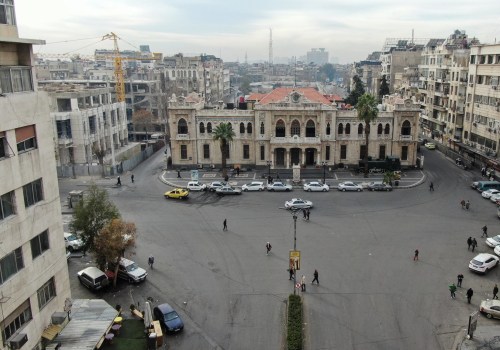
Damascus, Oregon is a small city located in Clackamas County, just 16 miles east of Portland. With a population of around 10,000 people, it may not be the most well-known city in the United States, but it is certainly facing some challenges when it comes to governance and providing essential services to its residents. One of the main issues that has been brought to light in recent years is the lack of infrastructure and services in underserved areas of Damascus. These are typically low-income neighborhoods with a high percentage of minority residents. The question on many people's minds is: are there any plans in place to improve the situation?
The Current State of Governance in Damascus
In order to understand the plans for improving infrastructure and services in underserved areas of Damascus, it is important to first take a look at the current state of governance in the city.Damascus operates under a council-manager form of government, where an elected city council makes decisions and sets policies, while a professional city manager oversees the day-to-day operations. However, this form of government has faced some challenges in recent years. In 2016, the city council was dissolved due to conflicts and disagreements among members. This left Damascus without a functioning government for several months until a new council was elected in November of that year. Since then, there have been ongoing issues with transparency and communication between the city council and residents. Many feel that their voices are not being heard and that decisions are being made without proper input from the community.
The Impact on Underserved Areas
The lack of effective governance in Damascus has had a direct impact on underserved areas of the city.These neighborhoods have been neglected and have not received the same level of attention and resources as other parts of the city. One of the main issues is the lack of basic infrastructure, such as roads, sidewalks, and streetlights. This not only makes it difficult for residents to get around, but it also poses safety concerns. In addition, there is a lack of essential services, such as public transportation, healthcare facilities, and community centers. This has created a cycle of poverty and inequality in these underserved areas. Without proper infrastructure and services, it is difficult for residents to access education, job opportunities, and other resources that could help improve their quality of life.
Plans for Improvement
Despite these challenges, there are plans in place to improve infrastructure and services in underserved areas of Damascus.The city has received funding from various sources, including state and federal grants, to address these issues. One major project that is currently underway is the construction of a new community center in an underserved area of Damascus. This center will provide a space for residents to gather, access resources, and participate in community events. It will also house a health clinic and offer educational programs for children and adults. In addition to this project, there are plans to improve roads and sidewalks in underserved areas, as well as increase access to public transportation. The city is also working on improving communication and transparency with residents through town hall meetings and community forums.
The Role of Community Involvement
While these plans are certainly a step in the right direction, it is important to note that community involvement is crucial for their success.In order for these improvements to truly make a difference in underserved areas of Damascus, residents must be actively involved in the decision-making process. This means attending city council meetings, voicing concerns and suggestions, and working together with local officials to find solutions. It also means taking advantage of the resources and services that are being provided in these underserved areas.
The Future of Governance in Damascus
Improving infrastructure and services in underserved areas of Damascus is just one piece of the puzzle when it comes to governance in the city. In order for Damascus to thrive, there needs to be a strong and effective government that works together with the community to address issues and make decisions that benefit all residents. While there have been challenges in the past, there is hope for the future. With continued efforts from both local officials and community members, Damascus can become a more equitable and prosperous city for all.In Conclusion
The plans for improving infrastructure and services in underserved areas of Damascus are a positive step towards addressing the issues of governance in the city.However, it is important for residents to stay informed and involved in order to ensure that these plans are carried out effectively. With a strong partnership between the government and the community, Damascus can overcome its challenges and become a more inclusive and thriving city.